A foreclosure cleanout vs dumpster rental choice depends on the home's condition, deadline, access, and available labor. A full-service cleanout includes sorting, loading, hauling, and disposal. A dumpster gives you a container to load yourself. The better option depends on who will do the work.
Foreclosed homes often need more than basic trash removal. They may hold furniture, appliances, boxes, yard waste, and loose building materials. The right plan helps owners, banks, agents, and property managers prepare the home for sale or turnover.
At Kernersville Junk Removal, the team helps property owners review the work before it starts. A clear plan can make a whole house cleanout easier, especially when the home has heavy contents or a short deadline.
Table of Contents
- What Is the Difference Between a Foreclosure Cleanout and Dumpster Rental?
- Which Option Is Faster for Preparing a Foreclosed Property?
- How Much Does a Foreclosure Cleanout Cost Compared With a Dumpster?
- What Types of Items Can Each Option Remove?
- When Is a Professional Foreclosure Cleanout the Better Choice?
- When Does Renting a Dumpster Make More Sense?
- How Should You Choose Between a Foreclosure Cleanout and Dumpster Rental?
- Key Takeaways
- Frequently Asked Questions
- Conclusion
What Is the Difference Between a Foreclosure Cleanout and Dumpster Rental?
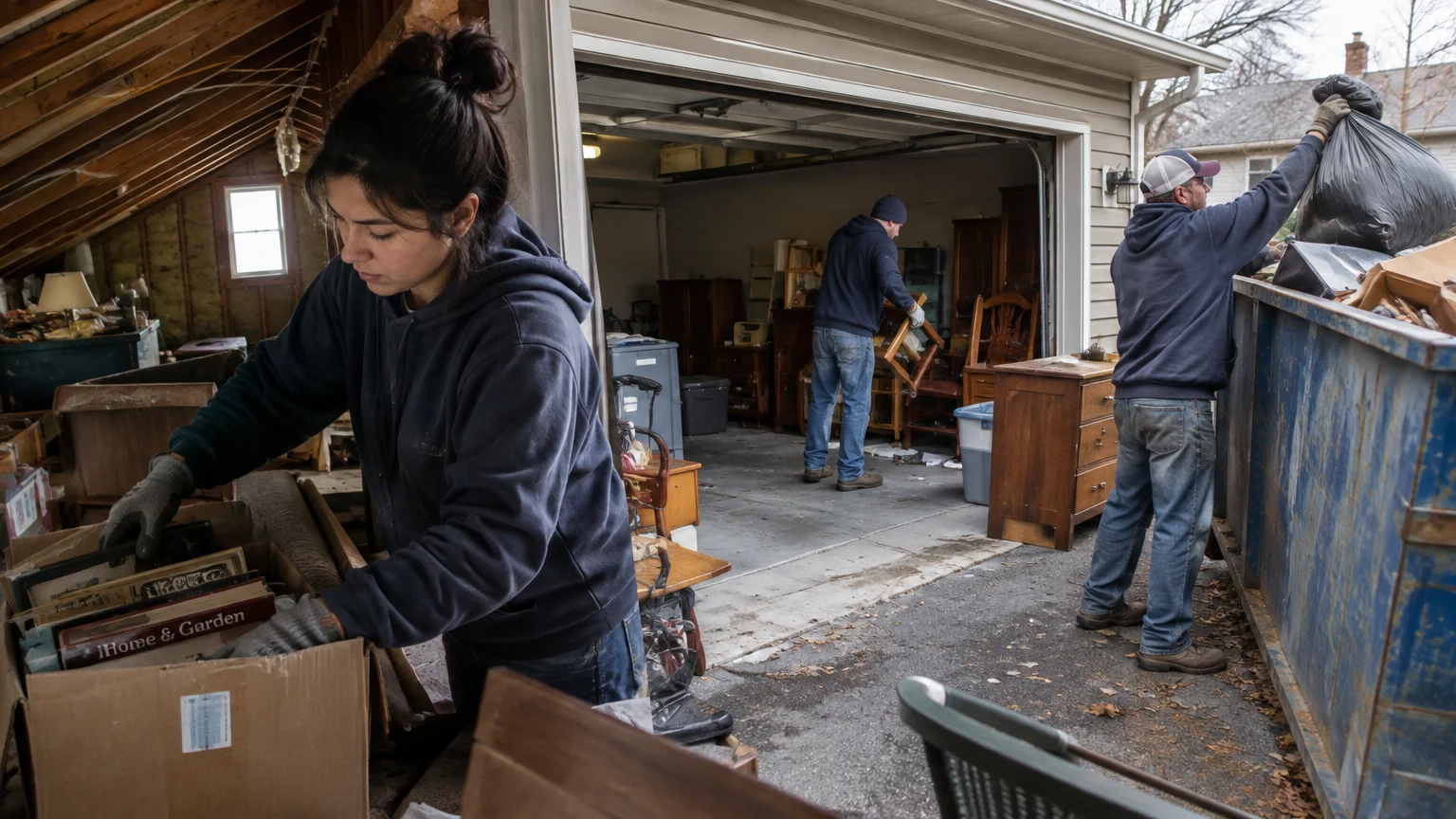
A foreclosure cleanout is a full service. A crew removes unwanted items, carries them out, loads them, hauls them away, and handles disposal. A dumpster rental only provides the container. The owner, workers, or contractors must usually do the loading.
The best choice depends on the work left behind. A nearly empty home with loose flooring or repair debris may suit a dumpster. A furnished home with packed rooms, heavy items, and outdoor debris may need a full-service crew.
How a full-service cleanout works
A full-service cleanout often starts with a review of the rooms, garage, attic, basement, and yard. The crew can note what must go and look for access problems. These problems may include narrow stairs, blocked doors, long walks, or damaged floors.
The crew handles the physical work from start to finish. This may include moving furniture, lifting appliances, gathering small debris, and sweeping cleared areas. Property-ready results leave the home in better shape for repairs, photos, inspection, or sale.
Kernersville Junk Removal can help Kernersville owners decide if an eviction and foreclosure cleanout fits the property. This can help when the owner lives far away or cannot visit often.
How a dumpster rental works
A dumpster rental places a container at or near the property for a set time. The customer loads the debris and follows rules for weight, fill level, and restricted materials. The container is picked up later for processing or disposal.
This option can work well when a trusted team is already at the home. It may suit a contractor, maintenance crew, or property manager with workers ready to load. It is less useful when no one can carry heavy items or sort mixed contents.
The dumpster also needs a safe placement area. The truck may need room to deliver and remove it. Driveways, gates, overhead branches, local rules, and shared roads can affect placement.
Which Option Is Faster for Preparing a Foreclosed Property?
A full-service cleanout is often faster when the home has many contents and labor is needed. A dumpster may be faster for a small project when workers are ready to load. The real turnaround depends on the home's size, volume, access, and schedule.
Speed is not only about how fast a container arrives. It also includes sorting, carrying, loading, hauling, sweeping, and handling items that cannot go inside. A project that looks small from outside may take longer after every room is checked.
Typical timelines for removal and hauling
A simple property with a few piles may be cleared during one planned visit. A larger home may take longer when furniture, appliances, boxes, and yard debris are mixed. A dumpster project may also stretch out when workers have jobs, bad weather, or limited time.
Owners should allow time for access details. Someone may need to unlock the home, move a vehicle, open a gate, or protect a shared area. Planning these tasks early can prevent a crew or container from waiting.
How access, volume, and scheduling affect turnaround
Access can matter as much as volume. A home with a clear drive and open rooms is easier to clear than one with blocked halls or damaged steps. Heavy items upstairs can add work even when the debris pile looks small.
The deadline matters too. A real estate listing, repair crew, inspection, or new tenant may depend on the cleanout. In these cases, a service with labor can reduce the number of tasks the owner must manage.
For property managers in Kernersville and nearby areas, a written scope can help everyone understand the job. Areas such as Macy Grove, Century Park, Walkertown, Colfax, Oak Ridge, and High Point may have different access needs. The scope should list rooms, outbuildings, appliances, and outdoor areas.
How Much Does a Foreclosure Cleanout Cost Compared With a Dumpster?
Costs vary because every property has different materials, labor needs, access issues, and disposal needs. A full-service cleanout reflects loading, hauling, and sorting work. A dumpster rental may include delivery, pickup, rental time, and disposal terms.
Neither option should be judged by the service or container fee alone. The owner should also consider who will move the items, how long the work will take, and what happens to materials that cannot enter the dumpster.
What is usually included in a cleanout estimate
A cleanout estimate may consider the number of rooms, amount of furniture, appliance weight, stairs, truck distance, and outdoor debris. It may also consider sorting, mattresses, electronics, construction debris, or materials with special handling rules.
Ask whether loading, hauling, basic sweeping, and disposal are part of the planned work. The scope should also list what is not included. This matters when the home has chemicals, paint, tires, gas cylinders, medical waste, or damaged appliances.
Actual pricing depends on the job and is confirmed when the owner gets in touch. Kernersville Junk Removal can review the work needed without treating every property as the same.
Dumpster rental fees and possible extra charges
A dumpster plan may include delivery, pickup, a rental period, and a disposal allowance. Extra charges may depend on added days, excess weight, overfilled material, prohibited items, or a hard delivery location. Terms differ by provider, so read them before booking.
The owner should also count the value of labor. If workers are paid to load the container, that work becomes part of the project. Sorting, lifting, sweeping, and repeat trips can change the final cost.
What Types of Items Can Each Option Remove?
Both options may handle common household contents and ordinary debris, but accepted materials differ. Furniture, boxes, loose trash, and some yard waste are often part of a standard cleanout. Always check rules before placing appliances, electronics, liquids, or unsafe materials in a container.
A full-service crew can often spot problem items before loading. That does not mean every item can be removed. Some materials need a special provider, recycling site, or local disposal program.
Household contents, furniture, and outdoor debris
Common foreclosure contents include sofas, beds, tables, chairs, cabinets, clothing, toys, boxes, and broken household goods. Outdoor areas may hold branches, old tools, patio furniture, fencing, or loose debris. A garage cleanout may also include tires, shelves, lawn equipment, and large appliances.
Mattresses and freezers often have special handling rules. Anyone asking where to take old mattresses or who takes old freezers should check local rules first. A removal team may explain whether an item is accepted and how to prepare it.
Refrigerators and freezers may contain refrigerant, a chemical used for cooling. Check handling rules before the appliance is processed. Never cut its lines or release the refrigerant.
Restricted, hazardous, and specialty materials
Paint, fuel, pesticides, asbestos materials, medical waste, propane tanks, and some chemicals may not belong in a normal dumpster or cleanout load. Electronics, fluorescent bulbs, batteries, and appliances may also have separate recycling rules. Identify these items before work starts.
Tree branches may have local limits as well. Anyone searching where to drop off tree branches near me should check current city, county, or waste-site rules. Limits on size, bundles, and drop-off times can differ.
Tell the service provider about unsafe materials early. Good planning protects workers, neighbors, the property, and the environment.
When Is a Professional Foreclosure Cleanout the Better Choice?
A professional cleanout is often better when the property needs labor, sorting, hauling, and a quick reset. It can help when rooms are full, access is hard, or the owner lives far away. It may also fit a home that must be ready for repairs, inspection, or listing soon.
The service can reduce the number of vendors involved. Instead of finding workers, a truck, a container, and disposal sites, the owner can review one work plan. This can help banks, real estate workers, landlords, and families handling an estate cleanout.
Properties with heavy accumulation or difficult conditions
Heavy accumulation means more than one large pile. It may include narrow paths, stacked boxes, broken furniture, spoiled contents, or debris across many rooms. Some homes may also have damaged floors, poor light, pests, odors, or unsafe entry points.
A crew can review these conditions before work begins. Share known hazards and avoid entering unsafe areas alone. A hoarding situation may need extra care, but junk removal workers are not a replacement for medical or mental health support.
A full-service crew may also help with attics, basements, garages, and outdoor areas. These spaces often hold the items that make a foreclosure cleanout take longer than expected.
Situations requiring sorting, labor, and property-ready results
Sorting matters when items may be kept, donated, recycled, or discarded. Remove personal records, valuables, legal papers, and family keepsakes before the crew arrives. Mark anything that must stay.
Property-ready work may include removing contents, clearing paths, gathering loose debris, and sweeping floors. It does not replace repairs, deep cleaning, pest treatment, or remodeling unless those services are arranged separately.
For a home Kernersville Junk Removal can help the owner understand which parts of a house cleanout match the home's condition. A clear scope makes the next step easier to plan.
When Does Renting a Dumpster Make More Sense?
A dumpster may make more sense when the debris is simple, the schedule is flexible, and reliable labor is available. It can suit a renovation, flooring project, yard job, or mostly empty property. The site must also have a safe place for delivery and pickup.
This option gives the customer control over loading. That can help a contractor or property manager with workers already on site. It may also work when the project can happen over several days.
Projects with available labor and flexible timing
A dumpster works best when someone can load it safely and steadily. Workers need the right tools and enough time to move bulky items. They must also know which materials are restricted and keep the load below the fill line.
Flexible timing can make container rental easier. The customer can load it as rooms are cleared instead of arranging one full removal visit. Still, the rental period and pickup date should match the work plan.
Do not assume friends or temporary workers can safely handle heavy appliances, large furniture, or unstable piles. Injuries and property damage can create serious problems.
Properties with straightforward debris and easy access
A mostly empty home with loose drywall, flooring, or small debris may suit a dumpster. Easy driveway access helps the truck place the container without blocking gates or damaging surfaces.
Check whether the container needs a permit or surface protection. Some neighborhoods, private roads, and shared drives have placement rules. The container must also leave safe paths for people and vehicles.
If the project grows from simple debris into a full home cleanout, the owner may need a new plan. A dumpster does not sort rooms, carry contents, or decide what should be donated.
How Should You Choose Between a Foreclosure Cleanout and Dumpster Rental?
The best choice comes from comparing the home's contents, deadline, access, labor, and disposal needs. A full-service cleanout fits hands-off removal and fast turnover. A dumpster fits self-loading projects with simple debris and dependable workers.
A short site review can reveal the right path. Check every room, closet, garage, attic, basement, shed, and yard. This prevents a small-looking project from becoming delayed.
Questions to ask before making a decision
Before choosing, property owners and managers should ask:
- Who will lift, carry, sort, and load the material?
- Does the property need to be ready by a firm date?
- Are there stairs, narrow halls, damaged floors, or blocked doors?
- Do the materials include appliances, mattresses, electronics, liquids, or chemicals?
- Is there a legal and safe place for a dumpster?
- Which items must be saved, donated, recycled, or handled separately?
These questions help separate a labor problem from a container problem. They also help the owner explain the work clearly when requesting service details.
A practical comparison checklist for property owners and managers
A full-service cleanout is usually the stronger fit when the home is furnished, access is hard, or the owner needs one team to handle the work. It also helps when the property manager cannot stay at the home during removal.
A dumpster may suit a project when debris is already gathered, workers are ready, and access is easy. Confirm the rental period, fill rules, accepted materials, and pickup process.
For foreclosure properties across Kernersville, the final choice should support the next business step. That may be repairs, cleaning, inspection, listing, sale, or tenant turnover. A clear plan is more useful than choosing by container size alone.
Key Takeaways
- A full-service cleanout includes labor, loading, hauling, and disposal.
- A dumpster rental works best when workers can load simple debris.
- Access, volume, deadlines, and restricted materials affect the choice.
- Owners should inspect rooms and outdoor areas before planning removal.
- The right option is the one that fits the property's real needs.
Frequently Asked Questions
Is a foreclosure cleanout different from regular junk removal?
Yes. A foreclosure cleanout often covers the whole property. It may include furniture, appliances, boxes, yard debris, and loose trash. It may also need sorting, quick work, and a final sweep. Regular junk removal may involve one item or a smaller group of items.
Can a dumpster remove everything from a foreclosed home?
No. A dumpster cannot accept every material, and it does not provide room-by-room labor. Paint, fuel, chemicals, refrigerant appliances, medical waste, and other restricted items may need separate handling. Review accepted materials before loading anything.
Who should choose a full-service foreclosure cleanout?
A full-service cleanout may suit owners who need labor, sorting, hauling, and faster turnover. It can help banks, landlords, real estate workers, and remote owners. It is also useful when a home has heavy contents, hard access, or mixed debris.
Can a cleanout crew remove appliances and mattresses?
Many removal services handle common bulky items, but rules differ. Refrigerators and freezers may need refrigerant recovery before processing. Mattresses may have separate disposal rules. Identify these items early so the provider can explain the handling plan.
What should an owner do before the crew arrives?
Remove valuables, personal records, legal papers, and items that must stay. Unlock doors, secure pets, and report known hazards. A simple room-by-room list can help the crew understand what belongs in the cleanout.
Conclusion
The choice between a foreclosure cleanout and a dumpster rental depends on more than debris volume. A dumpster can suit simple projects with available labor and flexible timing. A professional cleanout may make more sense when the property needs sorting, heavy lifting, hauling, and a quick path toward sale or turnover.
Kernersville Junk Removal helps property owners review cleanout needs and nearby areas. Contact us to discuss the property's contents, access, deadline, and removal plan.