Office space junk removal helps businesses clear desks, chairs, cubicles, electronics, and other unwanted items. Start by deciding what to keep, reuse, donate, recycle, or discard. Then plan a safe route and work time with the building manager. In Kernersville, early planning can help staff avoid delays and keep daily work on track. Kernersville businesses can also plan access with property managers early.
A cleanout can mean more than moving a few chairs. A business may need to clear shared offices, storage rooms, meeting spaces, or a whole floor. A move might leave desks behind, while a renovation can add boxes, fixtures, and broken furniture. Planning early helps everyone agree on what stays and what goes.
Table of Contents
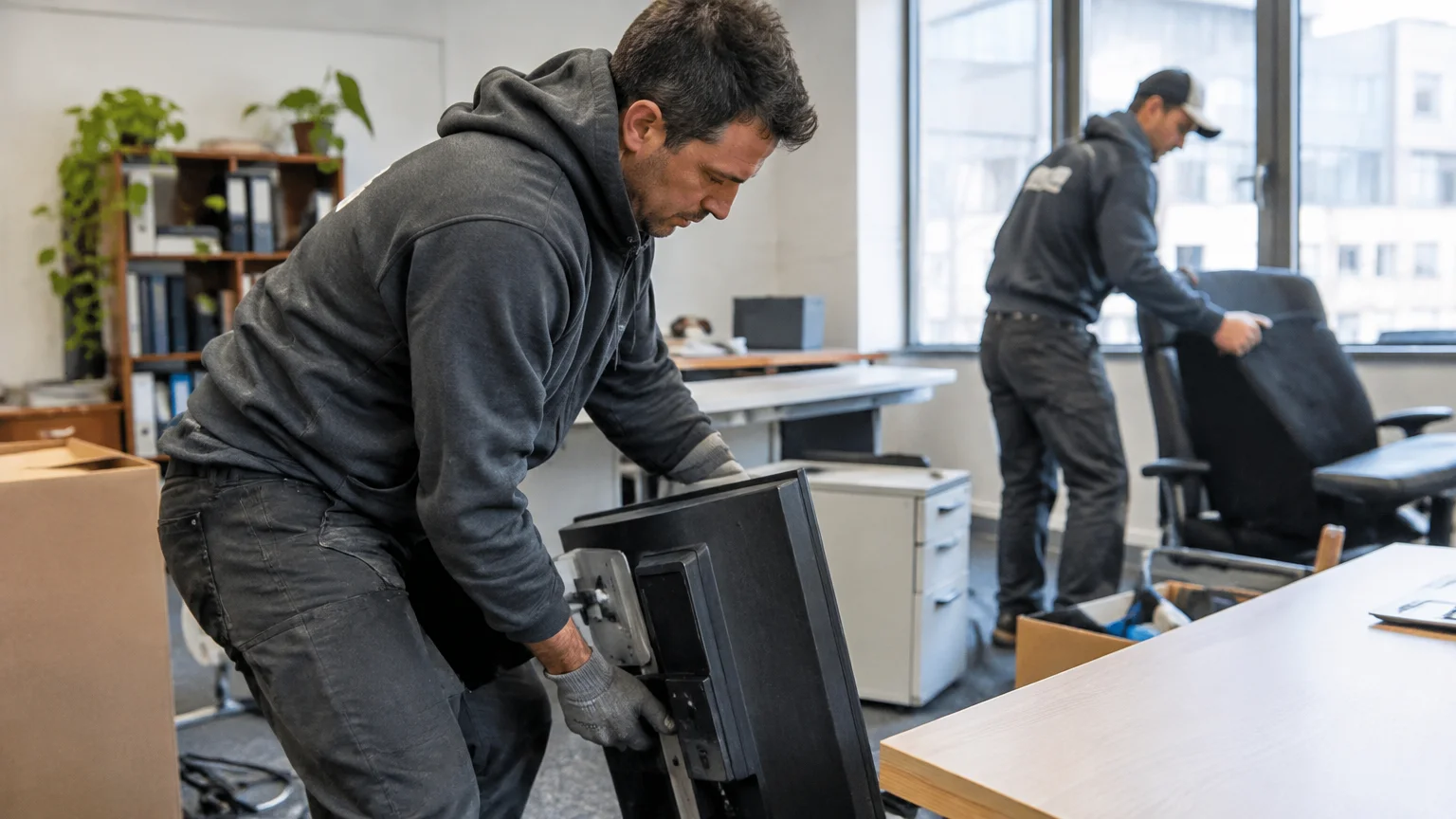
- What does office space junk removal include?
- When should a business arrange an office cleanout?
- How should you prepare an office for junk removal?
- How are office furniture and electronics handled?
- What shapes the scope of an office cleanout?
- How can you minimize disruption during an office cleanout?
- How do you choose a commercial junk removal provider?
- Frequently Asked Questions
- Key takeaways
- Conclusion
What does office space junk removal include?
Office space junk removal can include unwanted furniture, cubicles, electronics, and general office debris. The work depends on what needs to go and how the crew can reach it. A clear item list helps the business and removal provider agree on the job before work starts.
Furniture, cubicles, and fixtures
Office furniture can include desks, chairs, filing cabinets, tables, shelves, and storage units. A cleanout may also cover cubicle panels, reception counters, whiteboards, and some built-in fixtures. Point out anything that must stay, especially items that look like the ones marked for removal.
Large or bulky items may need to come apart before they fit through a door or elevator. Note narrow hallways, stairs, loading areas, and doorways before removal day. This helps the crew choose a safe route and avoid blocking shared spaces.
Electronics and general office debris
Old computers, printers, monitors, phones, cables, and small appliances may also be part of a cleanout. Boxes, damaged chairs, unwanted supplies, and loose items can be included when they are part of the agreed plan. Set aside personal items, records, and anything that needs special care.
Not every item should go in the same waste stream. A waste stream is the route used to handle a type of item. Some electronics may be accepted for recycling, while other goods may need a different route. Ask how each item type will be handled rather than assuming everything goes together. A short item list can prevent confusion on removal day.
When should a business arrange an office cleanout?
A business should plan an office cleanout when it moves, renovates, changes its lease, uses less space, or closes an office. It may also help when storage areas are full or unused furniture gets in the way. Starting early gives staff time to sort items and plan access.
Relocations, renovations, and lease changes
Moving is a good time to review what should go to the next office. A business can remove damaged furniture, old equipment, and items that do not fit the new space. This can make packing easier and help prevent unwanted goods from being left behind.
Renovation work may mean clearing one room at a time. A property manager may also need the space empty before a new tenant arrives. In either case, match the plan to the building schedule, loading rules, and work areas. Check the lease to learn what it says about items left behind.
Downsizing, closures, and ongoing space management
A smaller team may not need every desk or storage cabinet. Closing a business can bring more choices, such as who owns furniture, equipment, and records. The person leading the cleanout should check with the right staff before removing anything.
Regular space reviews can help a business notice unused items before they become a larger job. This does not mean every office needs a set cleanout date. Staff can flag items after a move, team change, or office update. Kernersville Junk Removal can help businesses plan removal around the space and work already underway.
How should you prepare an office for junk removal?
Decide what will go, protect what must stay, and plan how the crew will enter and leave. Share the item list and building rules ahead of time. Good preparation can limit delays and help keep staff, visitors, and property safe.
Sort items for removal, reuse, or donation
A simple sorting plan gives staff clear choices. Use labels or marked areas so items do not get mixed up. Check whether useful furniture can be reused or donated, and do not assume every item will be accepted by a donation group.
- Keep: Items the business still needs or plans to move.
- Reuse: Furniture or supplies that another team can use.
- Donate: Goods in suitable shape, after checking what groups accept.
- Remove: Broken, unwanted, or unusable items listed in the plan.
Staff can safely sort papers, clear personal belongings, and label furniture. These simple tasks do not need a removal professional. Heavy lifting, large jobs that involve taking things apart, and moving bulky goods through shared areas are different. Those tasks are safer for workers with the right tools and training.
Plan access, timing, and building coordination
Choose a route from the office to the loading area. Check for stairs, narrow doors, elevators, and security points along the way. Ask the building manager about service doors, elevator use, loading zones, and rules for moving large items. Do not block exits, hallways, or fire equipment.
Choose a work time that fits the business and building. Tell staff which rooms will be cleared and when, so they can move personal items and stay clear of the work area. In a shared building, notify property staff and confirm who can approve access. Choose one person to answer questions on removal day.
How are office furniture and electronics handled?
Sort furniture and electronics by type and condition before removal. Reusable goods may have a different next step from broken items, and electronic equipment may need special care. Protect private information before computers, drives, or phones leave the business.
Separate reusable items from waste
A desk in good shape may be reused, while a broken chair may need disposal. Some furniture can be taken apart, but keep its pieces together if that helps someone use it again. Make clear which items can go and which are saved for another office or team.
People often ask how to get rid of old or broken furniture. First, check whether it can be fixed, reused, or accepted by a local donation group. If not, add it to a planned junk removal pickup and describe its size and condition. Do not leave large items in a hallway or outside without the property owner’s approval.
Protect sensitive data and manage electronic equipment
Before computers, phones, printers, or storage devices leave the office, remove or secure private information. The IT lead can save needed files and follow the company’s steps for wiping or destroying data. Wiping data means removing stored files so others cannot read them. A device is not safe to pass on just because it no longer turns on.
Ask how electronics will be sorted and where they may go next. Some equipment may be suitable for reuse, while other items may need an electronics recycling option. A business can also ask about removing appliances such as a break-room fridge. Confirm which appliances are accepted and prepare them under building and safety rules.
What shapes the scope of an office cleanout?
The scope depends on how many items need removal, what they are made of, where they are, and how the crew can reach them. Removing a few chairs from an open room differs from clearing cubicles, appliances, and equipment across several floors. Sharing these details helps set clear expectations.
The item list matters because furniture, electronics, fixtures, and loose debris may need different handling. Note unusually large, heavy, or fragile items. Also say whether furniture is assembled, whether goods are in a basement or upper floor, and whether an elevator or loading area is available.
Access can shape the work plan too. A long walk to the truck, limited loading times, stairs, and busy shared spaces may need more planning. Share photos or arrange a walk-through if the space is hard to explain. Make sure photos do not show private records or personal information.
A small pickup may cover a few listed items in one easy-to-reach room. A commercial cleanout can cover several rooms, work areas, or floors, with more staff and building needs to plan. The difference is the size and planning of the job, not just the amount of furniture. Confirm the full scope before work begins, and ask how changes will be handled if the item list changes.
How can you minimize disruption during an office cleanout?
A business can limit disruption by choosing a good work time, marking the work area, and telling people what to expect. The plan should protect normal work where possible. It should also keep paths clear for staff, visitors, and building workers.
Schedule work around business operations
Think about customer visits, busy work times, deliveries, and building access. A cleanout may fit best when fewer people use the rooms. If removal must happen during normal work hours, split the job into clear areas and keep staff away from lifting and loading.
Tell employees what will be removed and when. Ask them to take personal items home or move them to a marked safe place. A manager should be ready to answer questions about items that are not clearly marked. This can prevent delays and help protect goods the business still needs.
Coordinate with employees, tenants, and property managers
Property managers can explain building rules and limits on moving furniture. Tenants may need notice if shared halls, elevators, or loading areas will be used. A simple plan should name who will open doors, guide the crew, and approve last-minute choices.
Keep the route clear before the crew arrives. Move small items and loose cables out of walkways, but leave heavy lifting and hard jobs to trained workers. If a room has records, chemicals, or other items needing special care, tell the provider before the job. Good communication makes a busy cleanout easier to manage.
How do you choose a commercial junk removal provider?
Choose a provider that understands the work, asks about the site, and explains how items will be handled. Confirm which goods are included, who will take furniture apart, and what access is needed. Clear answers help owners and managers plan with fewer surprises.
Confirm the scope, handling practices, and logistics
Share the item list, building details, and best work time. Ask how the provider handles furniture, electronics, appliances, and loose debris. If the business wants to keep or donate certain items, point them out before work starts and ask how they will stay separate.
For a large cleanout, ask whether the provider can work across several rooms or stages. Confirm who will speak with the building manager and whether the crew needs a loading area or elevator. The provider should explain the plan in plain words, including what may change if the site differs from the details shared.
Prepare questions before requesting a quote
A quote should match the agreed job and the details the business shares. The business can ask what is included, how changes are handled, and which items cannot be accepted. It can also ask what happens to useful goods and electronics after they leave the site.
Other helpful questions include:
- Which items and rooms are part of the cleanout?
- Do furniture or fixtures need to come apart first?
- How should computers and other electronics be prepared?
- What building access or loading details are needed?
- Who should be there to answer questions on site?
Compare answers based on clear scope, safe work, and fit with the building’s needs. Kernersville Junk Removal can help businesses discuss items, access, and timing for an office cleanout. Choose a plan that fits the site and make sure staff know what will happen next.
Frequently Asked Questions
How do companies handle large-scale office cleanouts?
Companies start by listing items, rooms, access needs, and deadlines. They may split a large cleanout into stages so staff can keep working in areas that are not being cleared. A point person can work with employees and building management, while the removal team follows the plan for furniture, electronics, and debris.
How can a business get rid of an office fridge?
First, check building rules and ask the removal provider whether it accepts the appliance. Remove food and personal items, and follow the maker’s guidance for getting it ready. Do not leave a fridge in a shared area or outside without approval. Ask how the appliance will be handled after removal.
What should happen to old office furniture?
Check whether the furniture is useful, safe, and right for another team or donation group. Set aside items for reuse, and list unwanted pieces for removal. Describe large or broken furniture clearly. This helps the crew plan how to move it and keeps saved items separate.
How should a business prepare computers for removal?
The IT lead should save needed files and follow the company’s data removal steps before equipment leaves the office. This may mean wiping storage devices or arranging secure destruction. Label devices that must stay, and ask the provider how electronic equipment is handled after pickup.
Can staff remove office junk themselves?
Staff can sort small items, clear personal belongings, and label furniture. Those simple tasks do not usually need a professional. Heavy desks, cubicles, appliances, and large loads can create lifting or access risks. Trained removal workers are a safer choice for that work.
Key takeaways
- Plan office space junk removal around work hours and building rules.
- Sort goods for keeping, reuse, donation, or removal before the crew arrives.
- Protect private data before computers, phones, or storage devices leave.
- Share item details, access limits, and special care needs in advance.
- Use trained workers for heavy furniture, appliances, and large cleanouts.
Conclusion
A clear plan helps businesses remove unwanted office items while protecting staff, property, and useful equipment. Start with an item list, prepare the space, and plan access with building management. For office space junk removal, Contact us to discuss the cleanout and plan the next steps with Kernersville Junk Removal.
If you are not sure what you are dealing with, it is worth having someone look at it before it turns into a bigger job. Get in touch with Kernersville Junk Removal today and we will tell you where you stand.