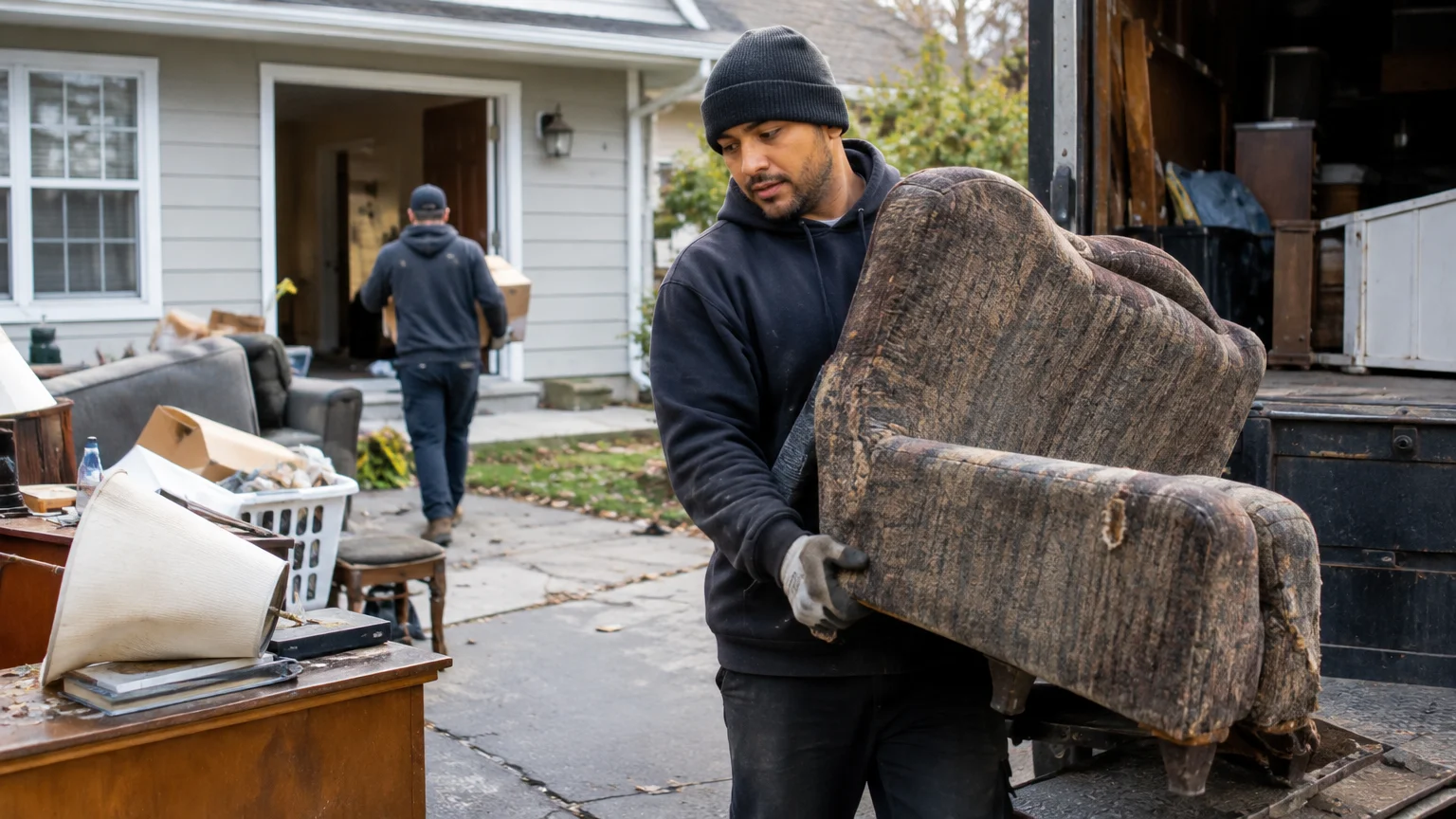
To prepare for a foreclosure cleanout, first confirm who controls the property, what must go, and when entry is allowed. Then inspect each space, sort the contents, plan for hazards, and arrange removal help. A clear plan helps Kernersville property owners avoid delays, unsafe work, and missed deadlines before sale or turnover.
What should you do before a foreclosure cleanout?
The first step is to confirm the cleanup plan before anyone enters. The owner, lender, property manager, or authorized agent should know who may enter, which items must stay, and when the cleanout must end. Written instructions can prevent confusion when several people share the work.
How should ownership and access be confirmed?
The person managing the foreclosure should confirm keys, alarm codes, parking, and utility access. Some homes have locked rooms, shared driveways, or limits on worker arrival times. A clear contact person also helps the crew get answers when an item or room is not clear.
The property manager should confirm the cleanup duties too. In some cases, the goal is a full house cleanout. In other cases, fixtures, appliances, documents, or personal items must stay. A written list helps protect items that belong with the home or need another person to handle them.
Kernersville Junk Removal can help property owners review the work plan before removal starts. The plan may include a whole-home cleanout, garage cleanout work, debris removal, or a smaller pickup for one room. The work should match the property condition and the deadline.
What should be checked during the property inspection?
A careful inspection can uncover hidden work. Walk through the basement, attic, garage, sheds, closets, and outdoor areas. Look for broken furniture, spoiled items, loose materials, damaged floors, blocked paths, and objects that may be hard to carry.
Photos and notes show the property condition before work begins. They can also help separate old damage from damage found during the cleanout. Note narrow stairs, weak floors, low ceilings, standing water, pest signs, and rooms that need restricted access.
A homeowner or property manager can safely check simple areas. They can sort clear household items, label rooms, and move small loose items when no hazard exists. They should not enter unsafe spaces or handle unknown chemicals, needles, mold-covered items, or damaged electrical equipment.
What items should be removed from a foreclosed property?
A foreclosure cleanout may include household contents, yard waste, broken fixtures, abandoned furniture, appliances, and building debris. The exact list depends on the property plan. Sort items before loading so reusable goods, trash, recycling, and restricted materials do not get mixed.
How should household items and debris be sorted?
Start with four groups: keep, remove, donate or reuse, and special handling. Mark everything that must stay. This may include built-in fixtures, legal records, property papers, or equipment meant for the next owner.
Common removal items include mattresses, couches, tables, cabinets, clothing, boxes, toys, small appliances, and damaged electronics. Garages and attics may hold tools, tires, scrap wood, and stored goods. Basements may contain old shelves, water-damaged boxes, and broken exercise equipment.
Old appliances should not simply be left at the curb. Refrigerators, freezers, air conditioners, and similar items may need special processing. A removal company can explain which items it accepts and whether another provider must handle a certain appliance.
Hot tubs often need to be drained, disconnected, cut apart, and carried out in sections. Their weight, size, wiring, plumbing, and location can make the work hard. Property owners should not cut wires or disconnect equipment unless they have the right skills and the system is safely off.
Which materials need special handling?
Some materials should never go with regular junk. These may include paint, fuel, propane tanks, pesticides, unknown liquids, medical waste, ammunition, asbestos materials, and leaking batteries. Local rules may also cover tires, electronics, refrigerants, and building debris.
Tell the cleanout crew about these items before arrival. Keep people away from leaks, sharp objects, unstable piles, and suspected mold. When an item needs a specialist, pause that part of the work and arrange safe handling.
Hoarding conditions may also need a careful plan. Tight paths, heavy piles, odors, pests, and damaged surfaces can create safety risks. A respectful crew can work room by room while protecting private items and lowering stress.
How can you prevent delays during a foreclosure cleanout?
Most delays come from unclear access, missing choices, blocked paths, or items needing special handling. You can reduce these problems before the truck arrives. A short planning call, a site check, and a written removal list often make the work easier.
How should access, utilities, keys, and parking be planned?
The property manager should arrange keys, gate codes, alarm details, parking, and loading space. The crew needs a safe path from each removal area to the truck. If the driveway is narrow or blocked, the plan may need another parking spot or smaller equipment.
Check utilities before work starts. Water, power, and lighting can help workers inspect rooms and move items safely. If utilities are off, tell the crew before arrival. The team can then plan for poor lighting, locked equipment, or rooms that should not be entered.
Neighbors, tenants, agents, and contractors may also need notice. Clear timing reduces conflict at shared driveways and busy properties. It also keeps a contractor from arriving while the cleanout crew uses the only loading area.
What should happen when heavy items or hidden damage appear?
Heavy furniture, safes, hot tubs, appliances, and large piles may need extra planning. Tell the crew about stairs, long walks, tight turns, weak floors, and outdoor barriers. Do not drag items across finished floors unless the plan protects those surfaces.
Hidden damage can change the work order. Water damage, unstable ceilings, pests, sharp debris, and exposed wires may require a pause. The property manager should decide who handles repairs and who handles removal. A junk removal crew can remove safe contents, but it should not perform unsafe repair work outside its role.
A simple checklist can help the responsible person stay ready:
- Confirm who can approve removal decisions.
- Provide keys, access codes, parking details, and loading instructions.
- Mark items that must remain at the property.
- Identify chemicals, appliances, sharp objects, and other restricted materials.
- Share photos of tight spaces, large items, or damaged areas.
- Keep children, pets, tenants, and visitors away from active work zones.
How do you get a foreclosed property ready for sale or turnover?
A property is ready for the next step when agreed items are gone, paths are clear, and rooms can be checked. Final work may include sweeping, light cleanup, debris removal, and a room-by-room review. The property manager should compare the finished space with the original list.
What should be checked after removal?
Walk through every room after loading ends. Check closets, cabinets, attics, basements, garages, sheds, patios, and side yards. Look for small piles, loose glass, nails, food waste, abandoned containers, and items marked to stay.
Sweeping removes loose dust and small debris, but it does not replace repairs or deep cleaning. Stains, odors, pests, mold, broken windows, damaged floors, and plumbing problems may need other professionals. Keeping these jobs separate makes the property plan easier to follow.
The final inspection should confirm that doors and gates are secure. Lights, thermostats, and appliances should remain in the condition required by the property manager. Photos after removal can document the result and help the next contractor or listing professional.
How can the right cleanout support be chosen?
The best service depends on property size, item types, access, deadline, and disposal needs. A provider should explain what it can remove and which materials need another specialist. It should also understand the need for respectful work in inherited homes, distressed properties, and hoarding situations.
Kernersville Junk Removal serves Kernersville and nearby communities with property cleanout support for foreclosure homes and other large removal jobs. Property owners can ask about house cleanout services, garage cleanout service, appliance removal, and debris hauling based on site conditions. Service areas may include Kernersville, Macy Grove, Century Park, Walkertown, Colfax, Oak Ridge, High Point, and nearby communities.
A clear scope helps the property move toward sale or turnover without last-minute confusion. It also gives owners, lenders, agents, and property managers one shared view of the work. These steps can also help when reviewing house cleanout FAQs, office cleanout FAQs, or plans for estate cleanouts.
Key takeaways
- Confirm authority, access, utilities, parking, and cleanup duties first.
- Inspect every room and document damage before removal begins.
- Sort household items, debris, reusable goods, and restricted materials.
- Tell the crew about heavy items, tight spaces, appliances, and hazards.
- Finish with a room-by-room check, sweeping, and secure property review.
Frequently Asked Questions
What is a foreclosure cleanout service?
A foreclosure cleanout service removes unwanted contents and debris from a home after foreclosure or before a sale. The work may cover rooms, garages, attics, basements, sheds, and yards. The goal is to leave the property clear, safer to inspect, and ready for repair, listing, rental, or turnover.
Who offers garage, attic, and basement removal in one visit?
Some property cleanout companies handle several areas during one scheduled job. The responsible person should describe each space, share photos, and point out stairs, narrow paths, heavy items, or unsafe materials. The provider can then confirm whether the full plan fits its equipment and services.
What happens to old appliances during a cleanout?
Old appliances are reviewed based on their type, condition, size, and handling needs. Some may be donated or recycled, while others need special processing because of refrigerants or electrical parts. Identify appliances before work starts and ask what the removal provider accepts.
Can a homeowner prepare for a foreclosure cleanout without professional help?
A homeowner or property manager can safely sort simple items, label rooms, take photos, and clear small loose objects. Professional help is useful for large volumes, heavy items, tight access, appliances, hot tubs, and debris hauling. Unknown chemicals, mold, unstable areas, and exposed wires should be left to qualified specialists.
Conclusion
A successful foreclosure cleanout starts with clear authority, safe access, and a detailed property check. Sorting items early and sharing hazard information can prevent many delays. With a final sweep and room-by-room review, the property can move closer to sale or turnover.
Contact us to plan a foreclosure cleanout with Kernersville Junk Removal.