A professional drywall removal service helps when tear-out creates too much debris, dust, risk, or delay. In Kernersville, the right crew can remove drywall, plaster, and related waste from homes or businesses. They can load it safely and leave the area ready for the next part of the project.
Drywall removal may seem simple at first. A few cuts and pulls can soon create piles of broken board, screws, paper, dust, and insulation. Homeowners, contractors, and property managers often find that moving the waste takes more time than removing the drywall.
Kernersville Junk Removal helps Kernersville property owners see when a project needs extra help. The seven signs below can help you choose between safe do-it-yourself work and help from a trained removal crew.
Table of Contents
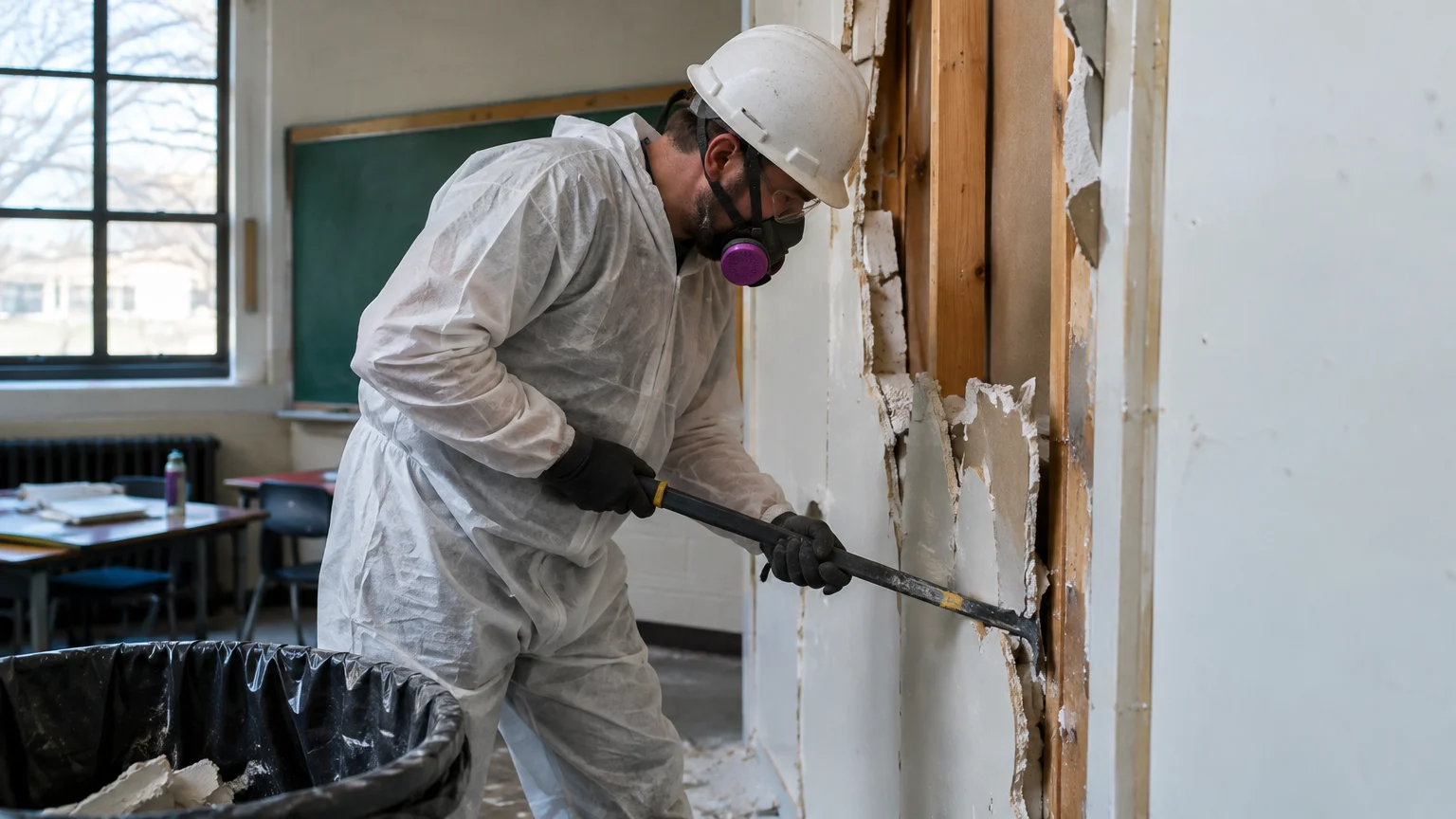
- Is the drywall tear-out creating more debris than you can handle?
- Are dust and debris spreading beyond the work area?
- Is the drywall removal taking longer than expected?
- Do you lack the right equipment for safe drywall removal?
- Could the old drywall contain hazardous materials?
- Is there more renovation debris than drywall alone?
- How do you know when professional drywall removal is the better choice?
- Key Takeaways
- Frequently Asked Questions
- Conclusion
Is the drywall tear-out creating more debris than you can handle?
A project may need outside help when drywall fills rooms, blocks paths, or cannot fit in normal trash service. Broken sheets take up more space than many people expect. Even careful tear-out can create a large pile that must be carried, loaded, and removed.
How much drywall waste can a typical renovation produce?
The amount depends on the number of rooms, wall height, ceiling size, and removal method. One wall may create a small load for a homeowner. A whole-home remodel, office update, or rental cleanout can create more waste than one person can move safely.
Drywall breaks into odd shapes. Large sections can be hard to carry through doors and down stairs. Small pieces create sharp edges and loose dust. The pile may also include joint compound, metal corner bead, screws, wood strips, and insulation. These items make cleanup harder than putting normal household items at the curb.
Look at the planned work area before tear-out starts. If debris will cover a room, block access, or compete with tools and supplies, plan removal early. Contractors should also think about how waste will affect workers who need to move through the site.
Why separating drywall from other construction debris matters
Drywall should not be mixed with every other material. Clean drywall, wood, metal, concrete, and general trash may have different handling choices. Keeping them apart can make sorting easier and help the property owner follow local disposal rules.
A professional drywall removal service can help identify each waste type before loading starts. The crew can also explain which items need special handling. In Kernersville, local rules and nearby facilities may affect how renovation waste is managed. Kernersville Junk Removal can help property owners plan a cleaner removal process.
Are dust and debris spreading beyond the work area?
Spreading dust is a clear sign that drywall removal needs better control. Fine particles can move under doors, through vents, and across nearby surfaces. When a home or business stays open, the mess can disrupt daily work and create much more cleaning.
How drywall dust affects occupied homes and businesses
Drywall dust can settle on floors, shelves, furniture, equipment, and electronics. It may also reach rooms far from the tear-out area. In a business, dust can affect customers, staff, stock, and sensitive equipment. In a home, it can make bedrooms, kitchens, and shared spaces hard to use.
Dust is not the only concern. Loose drywall pieces can create trip hazards. Nails, screws, and metal edges may remain in the pile. Broken panels can scratch floors or damage door frames as people carry them through the property.
Homeowners can handle small, separate repairs with care. Close nearby doors, cover surfaces, wear eye protection, and keep dust away from the heating or cooling system. A larger tear-out needs a stronger plan, especially when people must stay inside.
What professional containment and cleanup involve
Containment means keeping dust and debris inside the work zone. A crew may use floor coverings, set carrying paths, use careful lifting methods, and clean during the job. The best method depends on the property, work area, and waste type.
Removal crews also plan the route from the wall to the truck. They can break large pieces in a controlled place and keep walkways clear. This helps limit the spread of debris through the building.
A professional team does not replace required testing or licensed hazardous-material work. It can help with ordinary construction debris removal after the material is confirmed safe. This difference matters in older homes and commercial buildings.
Is the drywall removal taking longer than expected?
Drywall tear-out may take longer when walls have many layers, hidden fasteners, strong glue, or added insulation. Delays also happen when the waste has nowhere to go. If removal is holding up electricians, plumbers, painters, or installers, hauling help may keep the project moving.
Common reasons drywall tear-out projects fall behind
Old drywall may have more screws than expected. Plaster may be behind it. Some walls include wood strips, wire mesh, insulation, or many finish layers. Ceilings can take longer because workers must reach overhead and control falling pieces.
Access can cause another delay. Narrow halls, stairs, elevators, gates, and occupied rooms all change how debris leaves the property. A crew may also need to work around appliances, furniture, stored items, or active business areas.
Waste handling is often the hidden cause of delay. Someone must gather broken pieces, remove sharp fasteners, load the material, and keep the site safe. When workers stop their main trade to manage debris, the schedule may slip again.
How trained removal crews help keep renovations moving
A trained crew can review the work area, identify the waste, and plan the carrying route. The crew can focus on safe removal and loading while the contractor handles other tasks. This split can help during kitchen updates, bathroom remodels, office work, and property cleanouts.
Contractors should share key site details before the visit. These details include the building type, floor level, access limits, material type, and other waste on site. Clear information helps the crew prepare for the real job.
The goal is not to rush demolition. The goal is to stop debris work from delaying the next trade. A well-planned site stays easier to walk through and inspect.
Do you lack the right equipment for safe drywall removal?
A homeowner may manage a small drywall repair with simple hand tools. Larger tear-outs often need more protection, carrying space, and a suitable vehicle. If the property owner lacks these items, a professional drywall removal service may be safer.
Tools and vehicles often needed for hauling drywall
Drywall removal may involve utility knives, pry bars, hammers, screw guns, dust controls, gloves, eye protection, and strong containers. The right tools depend on how the material is attached. Removing panels without checking behind them can damage wires, pipes, or other building systems.
Hauling needs more than a few bags. Large pieces may need to be broken down, stacked, and secured. The vehicle must have enough room and must keep the load contained during travel.
A property owner should not use a vehicle that cannot safely carry construction waste. Loose or overloaded debris can create road problems. Local disposal sites may also have rules for drywall and mixed renovation materials.
Why lifting and loading large debris can create hazards
Drywall panels are awkward, even when they are not very heavy. They can block a person’s view, catch on doorways, and shift while being carried. Broken pieces may have sharp edges, exposed screws, or metal trim.
Stairs and uneven ground add more risk. A person carrying debris may slip, twist a knee, or drop the load. Repeated lifting can also strain the back and shoulders. These risks grow when the work area is dusty or poorly lit.
A homeowner can safely clean small amounts by moving slowly and keeping the route clear. A larger job needs more care. A removal crew can bring protective gear, a loading plan, and enough hauling space for the debris.
Could the old drywall contain hazardous materials?
Older walls and ceilings need extra care when their age, condition, or past use is unclear. Drywall may connect to other materials that need testing before work starts. Stop work if suspicious material appears and ask a qualified professional for guidance.
When older walls and ceilings need extra caution
Age alone does not prove that material is dangerous. Still, older buildings may contain asbestos, lead-based coatings, or other materials that need special handling. Some risks may come from joint compound, textured finishes, insulation, flooring, pipe coverings, or layers behind the drywall.
Visible damage can also raise concern. Crumbling material, odd insulation, powdery coatings, or unknown ceiling textures should not be treated as normal debris. Cutting into a wall without knowing what is inside can spread material through the building.
The U.S. Environmental Protection Agency explains why asbestos materials need careful management. Local rules may also apply, especially for commercial properties and larger renovation work.
What to do before disturbing suspicious materials
Stop tear-out when material looks unusual or its history is unknown. Keep people away from the area. Do not sweep, vacuum, scrape, or break it until a qualified inspector or licensed specialist gives clear instructions.
Testing may be needed before normal debris removal begins. A junk removal company should not handle confirmed hazardous material unless it has the right license and equipment. Ask who will handle testing, removal, packing, and disposal.
After the material is cleared for normal handling, a professional drywall removal service can manage the remaining construction waste. This order helps protect workers, residents, customers, and nearby property.
Is there more renovation debris than drywall alone?
Many tear-outs create a mixed pile. It may include plaster, wood, insulation, concrete, tile, cabinets, and metal. When drywall is only one part of the waste, a wider construction debris plan may work better than a drywall-only pickup.
Handling plaster, wood, insulation, and concrete together
Plaster is heavier and denser than standard drywall. Wood may include framing scraps, trim, cabinets, or damaged flooring. Insulation can be bulky and messy. Concrete, brick, and tile add weight and may need separate handling from light materials.
A mixed pile can hide sharp objects and make sorting harder. It can also slow loading because each material may need a different method. Contractors and property owners should keep waste grouped when possible, even if a crew will do the final sorting.
Useful groups may include:
- Clean drywall and plaster pieces
- Untreated wood and trim
- Metal framing, fasteners, and corner bead
- Insulation and soft building materials
- Concrete, brick, tile, and other masonry
- General trash and damaged household items
This list is only a planning guide. Local facilities may set their own rules. A removal provider can explain what it accepts and whether some materials need another service.
How mixed construction debris affects sorting and disposal
Construction waste is easier to manage when the crew knows what is present before arrival. Photos, a clear description, and notes about stairs or narrow access can help set expectations. Property owners should also remove personal items from the work path.
Contractors may benefit from scheduling debris removal between major work phases. This keeps old material from being covered by new supplies. It also gives the team a cleaner place to inspect walls, floors, and framing.
The main Kernersville area includes Macy Grove, Century Park, Walkertown, Colfax, Oak Ridge, High Point, and nearby communities. These places may have different property types and disposal needs. Whether the job is in a home, store, office, or rental property, the goal is the same: remove waste safely and keep the next step ready.
How do you know when professional drywall removal is the better choice?
Professional help is often the better choice when the job is large, access is hard, dust is spreading, or the pile has many materials. A homeowner does not need a professional for every small patch or light cleanup. The choice depends on risk, volume, time, and property condition.
What factors influence the scope of removal?
Scope means the amount and type of work involved. It may include the number of rooms, wall and ceiling surfaces, material layers, debris volume, access route, and cleanup needs. It may also include whether people remain in the building during work.
A small bedroom wall with clear access differs from a full commercial tear-out. A ground-floor project differs from one that needs long stair carries. Drywall mixed with concrete or insulation needs a different plan than clean, separated panels.
The final service plan should be confirmed after the provider understands the job. Ask about accepted materials, access, preparation, and how suspicious materials are handled. Also ask what must be done by a licensed specialist before removal starts.
How to prepare the property before the removal team arrives
Preparation can make the visit safer and easier. Remove personal items from the work route. Unlock gates or arrange building access. Tell the crew about stairs, elevators, parking limits, fragile floors, occupied rooms, and items that must stay.
Separate items that are not part of the removal. Mark fixtures, tools, appliances, and building supplies to help prevent mistakes. Contractors should point out active utilities and areas where workers must not cut or place debris.
A simple preparation checklist includes:
- Clear the path from the work area to the loading point
- Protect or mark items that will remain
- Share access limits before the scheduled visit
- Separate hazardous or unknown materials from normal waste
- Group drywall with other debris when safe and practical
- Confirm which materials the crew can accept
Kernersville Junk Removal can help homeowners, contractors, and property managers decide whether a job fits normal debris hauling or needs another specialist first. For projects across Kernersville, clear planning can reduce delays and keep the property easier to use.
Key Takeaways
- Large drywall piles can block rooms, paths, and work areas.
- Spreading dust often means the project needs better control.
- Stairs, narrow access, awkward panels, and lifting can create risks.
- Unknown materials should be tested before normal tear-out continues.
- Mixed waste may include plaster, wood, insulation, concrete, metal, and trash.
Frequently Asked Questions
Can a homeowner remove a small amount of drywall alone?
Yes, a homeowner may handle a small, known-safe repair with eye protection, gloves, careful cuts, and controlled cleanup. Keep the work area clear and manage the waste safely. Larger tear-outs, ceiling work, heavy piles, difficult access, or unknown materials are better for trained professionals.
What happens to old drywall after it is removed?
Old drywall may be sorted, hauled, or taken to a facility that accepts construction debris. The best option depends on local rules, material condition, and other waste in the pile. A removal provider can explain accepted materials for the project.
How should someone dispose of a refrigerator or other appliance during renovation?
Do not mix appliances into a drywall pile without checking the provider’s accepted-item list. Refrigerators and other appliances may contain parts that need special handling. Keep appliances easy to reach, describe them before pickup, and follow local guidance for large household items.
Can drywall removal include plaster, wood, and insulation?
Many construction debris crews can handle common renovation materials, but acceptance varies. Plaster, wood, insulation, concrete, and drywall may need different sorting or disposal methods. List every material before the visit so the crew can confirm the plan.
When should a property owner call a professional drywall removal service?
Consider professional help when debris is too large to move safely, dust reaches occupied areas, the project is delaying other work, or the property lacks a suitable hauling option. Professional help also makes sense when access is hard or material safety is uncertain.
Conclusion
Drywall tear-out becomes harder when waste grows, dust spreads, access narrows, or other renovation materials join the pile. Small, known-safe repairs may be manageable for a careful homeowner. Larger projects need planning, safe lifting, suitable hauling, and clear handling rules.
Kernersville Junk Removal serves property owners and project teams who need a practical way to manage drywall and renovation debris. Contact us today to discuss your project.
If you are not sure what you are dealing with, it is worth having someone look at it before it turns into a bigger job. Get in touch with Kernersville Junk Removal today and we will tell you where you stand.